

Lithium ion batteries
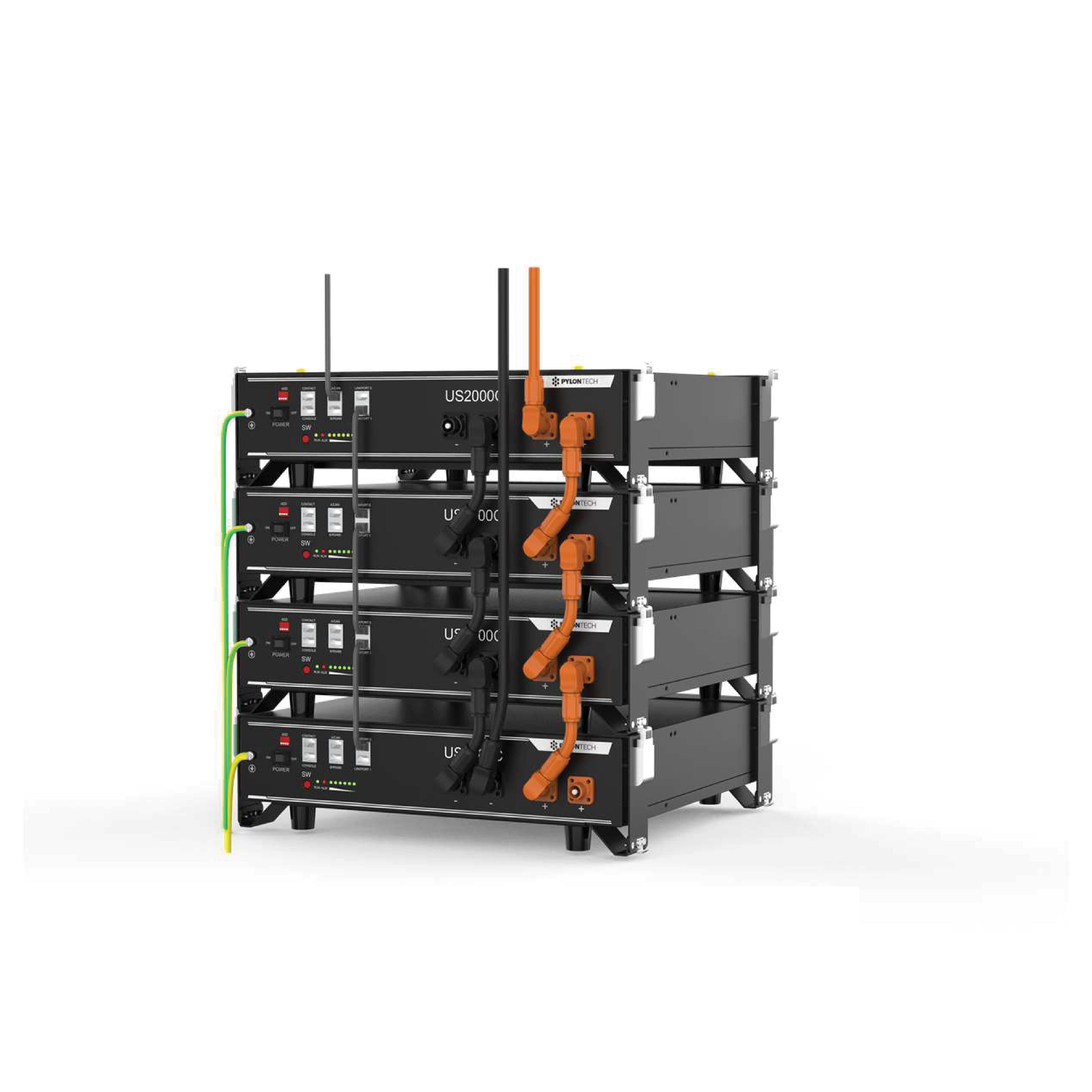
Lithium-ion solar batteries are a popular choice for solar energy storage systems due to their efficiency, lifespan, and compact size. They store energy generated by solar panels for later use, making them particularly valuable for homes, businesses, and off-grid applications looking to maintain power during the night or cloudy days. Here’s a quick overview of their benefits and considerations:
### Benefits:
1. **High Energy Density**: Lithium-ion batteries offer a high energy-to-weight ratio, meaning they can store more energy in a smaller, lighter package.
2. **Long Lifespan**: They generally last longer than other battery types like lead-acid, with some models rated for up to 15-20 years.
3. **Fast Charging and Discharging**: They can charge quickly, which is beneficial when capturing sporadic solar energy, and they can discharge at a higher rate to meet peak energy needs.
4. **Higher Depth of Discharge (DoD)**: Lithium-ion batteries often allow deeper discharge levels, meaning more usable capacity compared to other batteries.
5. **Low Maintenance**: They typically require minimal maintenance over time, especially compared to lead-acid batteries.
### Considerations:
1. **Cost**: They tend to be more expensive upfront compared to other types like lead-acid. However, their lifespan and efficiency can offset the initial investment over time.
2. **Temperature Sensitivity**: Extreme temperatures can affect their performance and lifespan, so they may need insulation or ventilation.
3. **Recycling**: Lithium-ion battery disposal and recycling infrastructure are still developing, so sustainable recycling options are limited compared to other battery types.
4. **Fire Risk**: Though rare, lithium-ion batteries can pose a fire risk if damaged or improperly managed.
### Popular Types:
- **Lithium Iron Phosphate (LiFePO4)**: Known for safety, stability, and long cycle life. Common in solar storage due to durability.
- **Lithium Nickel Manganese Cobalt Oxide (NMC)**: Popular for high energy density and power capacity, though generally more expensive.
If you're considering lithium-ion batteries for a solar setup, be sure to assess your energy needs, installation location, and the type of solar system you're using (e.g., off-grid vs. grid-tied), as these factors can affect which lithium-ion battery is best for your setup.